
The 14 Peaks Project
I am currently undertaking a four-year mission to climb all fourteen of the world’s 8000-metre peaks without supplemental oxygen.
Project Overview
This project is a long-term commitment to climbing at extreme altitude without oxygen. It is a test of physical endurance, decision-making, preparation, and responsibility over time.
Climbing without oxygen requires patience, discipline, and the ability to operate clearly under sustained pressure. Progress is slower. Margins are narrower. Every decision carries weight.
The goal is not speed for its own sake, but consistency, integrity, and respect for the mountains and the people involved.
What are the 14 Peaks
The 14 Peaks are the fourteen mountains on Earth that rise above 8000 metres. All are located in the Himalaya and Karakoram ranges.
They are widely considered the most demanding mountains in the world due to altitude, remoteness, and exposure. Above 8000 metres, often referred to as the death zone, the human body cannot fully recover. Every movement requires effort and every decision carries weight.
Attempting these peaks without supplemental oxygen requires long-term acclimatisation, patience, and a deep respect for conditions that cannot be controlled.
The Mission
- Climb all fourteen 8000-metre peaks
- Without supplemental oxygen
- To the true summits
- Completed within a four-year timeframe
This project officially began in July 2023 and builds on more than two decades of high-altitude mountaineering experience.
Several peaks that were previously climbed with oxygen will be re-attempted without oxygen as part of the mission. This approach reflects a commitment to completing the challenge with integrity and consistency.
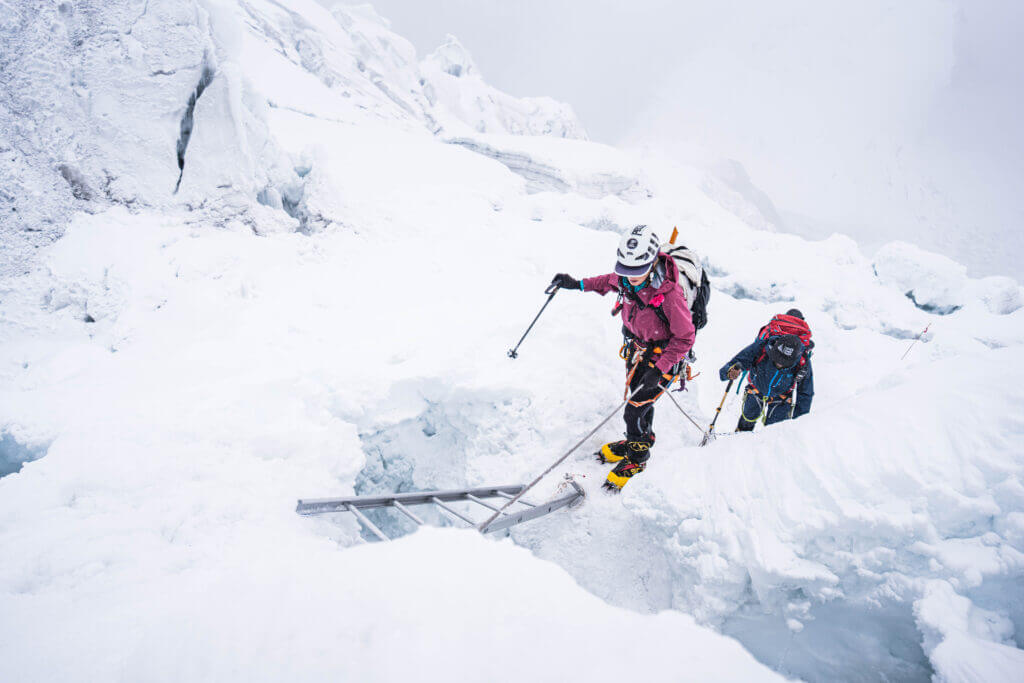
Progress to Date
To date, I have completed twelve ascents of 8000-metre peaks across nine of the world’s fourteen highest mountains.
Six of these ascents have been completed without supplemental oxygen, across five unique peaks. Cho Oyu has been climbed twice without oxygen.
The remaining peaks will be re-attempted without oxygen as part of the project timeline.
8000-metre Summits
- Everest, Nepal, 8848m, May 2011
- K2, Pakistan, 8611m, July 2024
- Kanchenjunga, Nepal, 8586m, May 2025
- Makalu, Nepal, 8485m, May 2024, without supplemental oxygen
- Cho Oyu, China, 8188m, October 2024, without supplemental oxygen
- Cho Oyu, Tibet, 8188m, May 2007, without supplemental oxygen
- Manaslu, Nepal, 8163m, September 2023, without supplemental oxygen
- Manaslu fore-summit, Nepal, 8159m, May 2012
- Nanga Parbat, Pakistan, 8126m, July 2025
- Annapurna I, Nepal, 8091m, April 2024, without supplemental oxygen
- Annapurna I, Nepal, 8091m, April 2022
- Broad Peak, Pakistan, 8051m, July 2023, without supplemental oxygen
This list will be updated as the project progresses.
What's Next
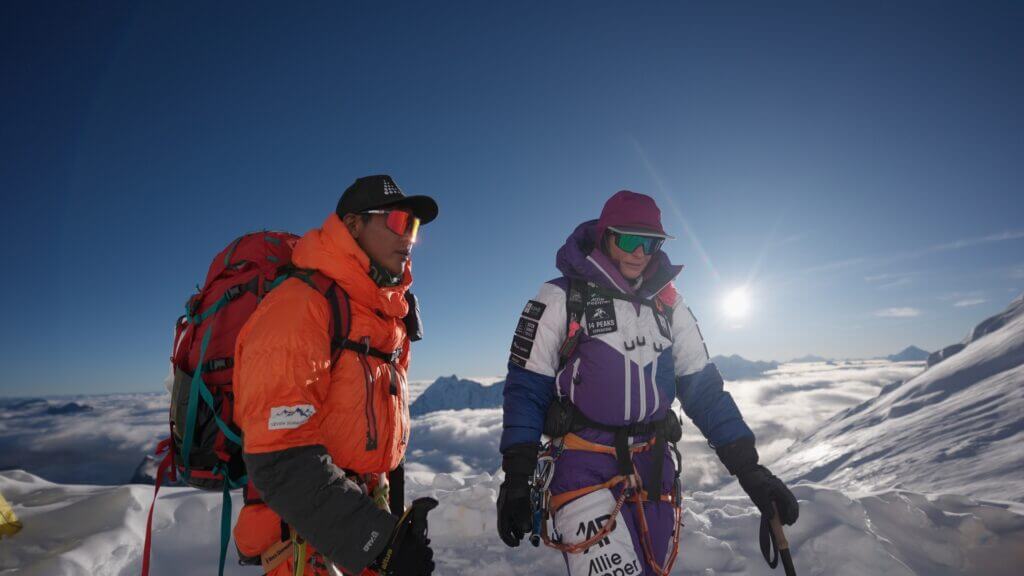
The next phases of the project focus on returning to several of the world’s most demanding peaks without oxygen.
Each expedition requires months of preparation, careful logistics, and a willingness to adapt to conditions that cannot be controlled.
The work continues to evolve, but the intention remains the same. To pursue difficult goals with honesty, preparation, and respect for the environments and people involved.
Follow the Journey
During active expeditions, progress can be followed via satellite tracking.
I also share updates, reflections, and behind-the-scenes insight throughout the project.
Live during active expeditions.